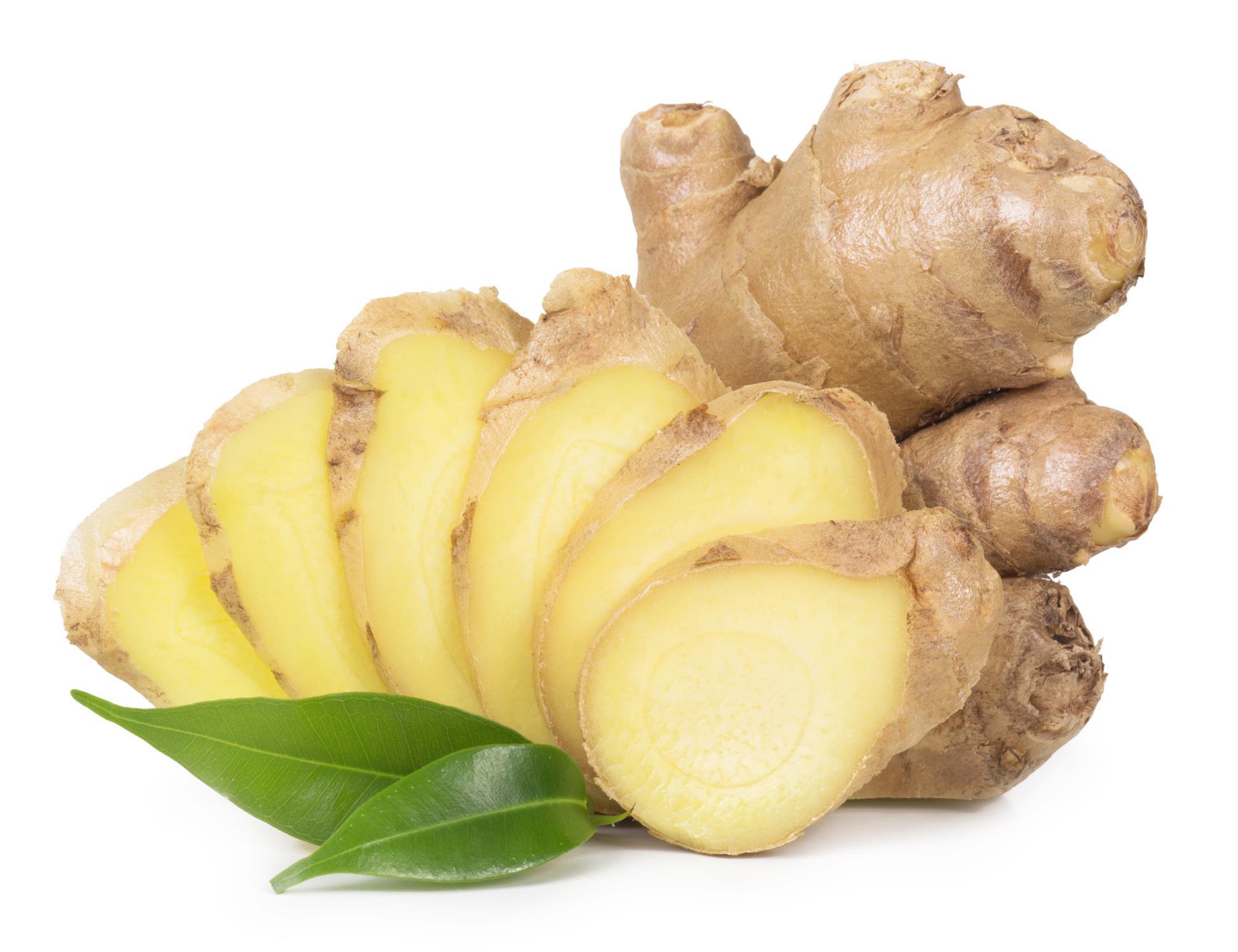
Ginger is a flowering plant whose rhizome or ginger root is widely used as a spice in Asian and Indian cuisine. It has been also used as a folk medicine. It belongs to a family to which turmeric, cardamom and galangal belong.
Benefits:
1. Cold and flu relief
Drinking ginger tea is good way to keep ourselves warm. It is promotes sweating, working to warm the body from within. Thus ginger tea is a natural remedy for a cold or flu.
2. Digestion
The phenolic compounds in ginger are known to help relieve gastrointestinal (GI) irritation, stimulate saliva and bile production, and suppress gastric contractions as food and fluids move through the GI tract.
At the same time, ginger also appears to have beneficial effects on the enzymes trypsin and pancreatic lipase, and to increase motility through the digestive tract
3. Nausea
Chewing raw ginger or drinking ginger tea is a common home remedy for nausea during cancer treatment.
4. Inflammation
Ginger has been used for centuries to reduce inflammation and treat inflammatory conditions.
5. Cardiovascular health
Ginger reduces cholesterol, lowering the risk of blood clotting, and helping to maintain healthy blood sugar levels.
6. Menstrual Pain reduction
Ginger has also been found to reduce the symptoms of dysmenorrhea, the severe pain that some women experience during a menstrual cycle.
7. Improves Brain Function
Ginger can protect against age-related damage to the brain. It can also improve brain function in elderly women.
 Hello Health